Coat condition is one of the clearest outward signs of what's happening inside your dog's body.
Dr. Lorelei Shelton has been practicing veterinary dermatology in Tucson for sixteen years. She tells new clients the same thing at the first appointment: the coat is a window. "By the time I see the fur, I already have a working theory about what's happening inside. The skin and coat are the last organs to receive nutrients when the body is under stress. They show you exactly where the body is cutting corners."
Most owners treat coat problems as a grooming issue. They buy a new shampoo, increase brushing, or switch to a coat-supplement biscuit from the pet store. Some of that helps at the margins. But when a dog's coat changes in texture, density, or sheen over weeks or months, that's a different conversation, and it usually starts with the question of why, not how to make it look better.
What a Healthy Coat Actually Looks Like
The benchmark varies by breed, but the markers are consistent. A healthy coat has sheen from natural oil production by sebaceous glands in the skin. The individual hairs should feel smooth and flexible, not brittle or dry-snapping when bent. Shedding follows a seasonal pattern: heavier in spring and fall, lighter the rest of the year. The skin underneath should be pale pink and clean, with no flaking, redness, or odor.
When owners describe a "dull coat," they're usually noticing the absence of that oil-based sheen. The fur looks flat. It doesn't catch light the way it used to. Sometimes the texture changes first, a roughness that shows up before the visual dullness. Both are worth paying attention to.
Dullness: What's Causing It
The most common cause of a dull coat is nutritional deficiency, and the most common nutritional deficiency in dogs with dull coats is a shortage of omega-3 fatty acids. Dogs can't manufacture omega-3s on their own. They have to get them from food. Many commercial kibbles contain adequate omega-3s when fresh, but the fats in dry food oxidize over time, especially once the bag is opened and exposed to air. A dog eating stale kibble from the bottom of a large bag may be getting a fraction of the fat content listed on the label.
Dr. Joseph Wakshlag, a nutritionist at Cornell University College of Veterinary Medicine, has published extensively on dietary fat and skin health in dogs. His research suggests that the ratio of omega-6 to omega-3 fatty acids in the diet, not just the total amount of fat, drives inflammation in skin tissue. Most commercial dog foods run omega-6 to omega-3 ratios of 15:1 or higher. The range associated with healthy skin is closer to 5:1 to 10:1.
"A dull coat is almost never about the coat. It's about what's happening in the gut and the blood. The coat just happens to be where you can see it."
Dr. Lorelei Shelton, veterinary dermatologistProtein deficiency produces a different coat problem: brittleness. Hair is roughly 95% keratin, which is protein. A dog not getting adequate high-quality protein will have fur that breaks rather than bends, that lacks elasticity, and that may grow more slowly than normal. This is more common in dogs on homemade diets that haven't been formulated by a veterinary nutritionist, or in dogs with gastrointestinal conditions that limit protein absorption.
Shedding Patterns That Signal a Problem
Seasonal shedding is normal. A Labrador blowing its coat in April is doing exactly what Labradors do. The shedding that warrants attention is out-of-cycle, patchy, or accompanied by skin changes underneath.
Hypothyroidism is one of the most common hormonal causes of abnormal coat shedding in dogs, particularly in medium and large breeds over age five. The thyroid gland produces hormones that regulate metabolism, including the growth cycles of hair follicles. When thyroid output drops, hair follicles spend more time in the resting phase. The coat thins. The fur on the trunk tends to go first, often leaving the head and legs looking normal while the sides and back appear sparse. Many dogs also develop a dull, dry coat texture alongside the thinning.
Cushing's disease, a condition of excess cortisol production, produces a similar-looking coat thinning but with different accompanying signs: increased thirst and urination, a pot-bellied appearance, and skin that bruises or tears easily. Both conditions are diagnosable with bloodwork and highly treatable once identified.
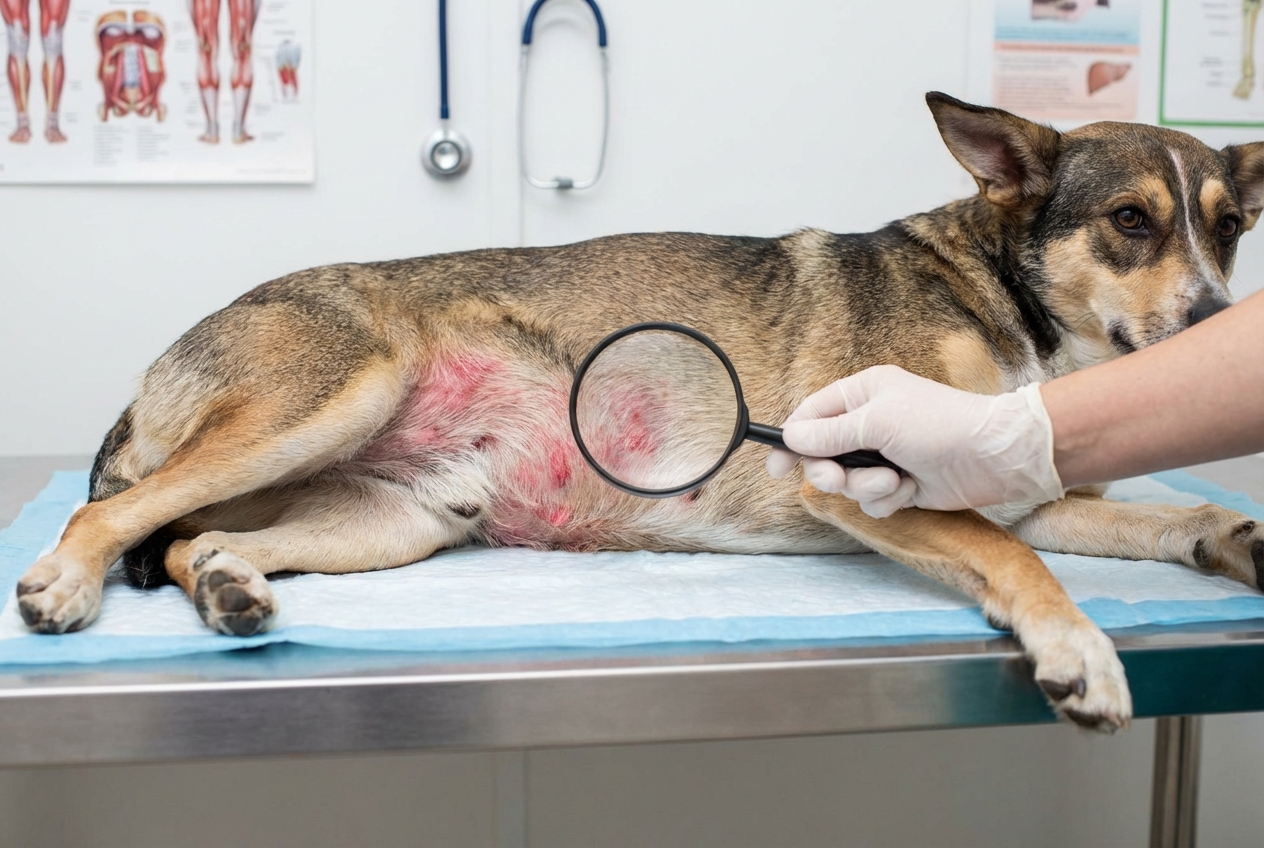
Patchy hair loss, where distinct bald spots appear rather than diffuse thinning, points toward a different set of causes: ringworm (a fungal infection despite the name), mange (a mite infestation), or localized bacterial folliculitis. These require a vet visit for proper identification, since the treatments are completely different and using the wrong one can worsen the condition.
The Nutrition Connection
Beyond omega-3s and protein, several specific micronutrients directly affect coat quality. Zinc deficiency produces a syndrome called zinc-responsive dermatosis, which causes scaling, crusting, and hair loss, particularly around the face and pressure points. It's more common in Northern breeds like Siberian Huskies and Alaskan Malamutes, which have a genetic predisposition to poor zinc absorption from the gut.
Biotin, a B vitamin, plays a role in fatty acid metabolism in skin cells. True biotin deficiency in dogs is uncommon, but dogs fed raw egg whites as a regular part of their diet can develop it, since raw egg whites contain avidin, a protein that binds to biotin and prevents absorption. Cooking the eggs eliminates avidin entirely.
Vitamin E acts as an antioxidant in skin cell membranes. Dogs on high-fish-oil diets may need supplemental vitamin E, since fish oil increases oxidative demand in cell membranes. The interaction is rarely discussed in pet food marketing, but veterinary nutritionists have documented it in clinical practice.
How does your dog's overall health stack up?
Our free 60-second assessment evaluates your dog's age, breed, diet, and symptoms against known health risk factors.
Take the Free Health AssessmentWhen to See the Vet
A coat change that develops over several weeks and coincides with other behavioral or physical changes, increased water consumption, lethargy, weight changes, or skin irritation, is a vet conversation. Bloodwork that includes a thyroid panel, complete blood count, and chemistry panel will catch most of the hormonal and metabolic causes within a single visit.
A coat that has always been slightly dull or somewhat heavy-shedding, with no recent change, is more likely a dietary or environmental issue than a medical one. Starting with a higher-quality food, storing kibble in an airtight container away from heat, and adding a fish oil supplement at the dose recommended by your vet covers the most common nutritional gaps.
Grooming frequency matters for coat health, but it comes after diet in the hierarchy of causes. Regular brushing distributes natural oils through the coat and removes dead fur that traps moisture against the skin. It also gives you a consistent baseline. If you're brushing your dog twice a week, you'll notice a texture change or a new bald spot long before anyone else does. That early detection is where the real value of grooming lives.
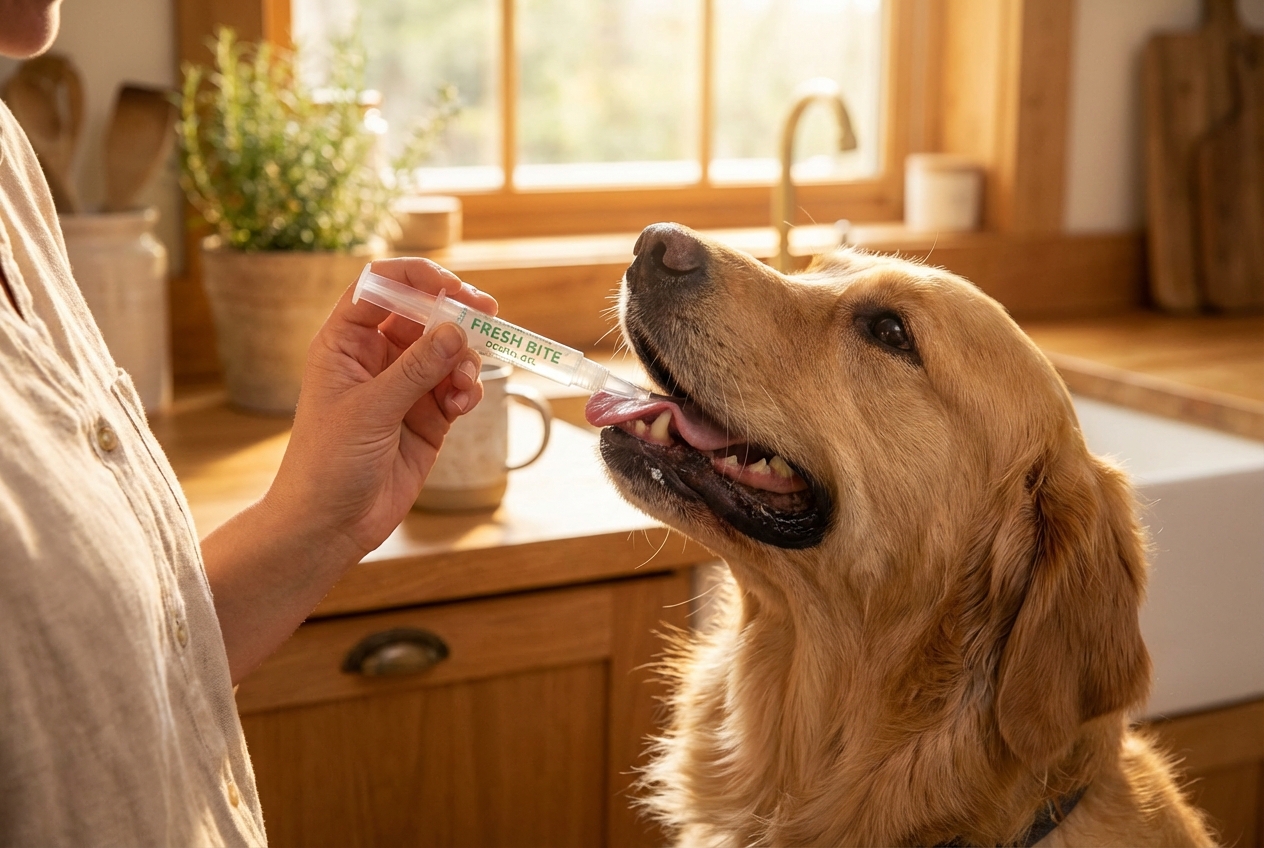
Don't overlook dental health as part of the full-body picture. Chronic oral bacteria can trigger systemic inflammation that affects skin and coat condition. If your dog's coat is changing and their breath has worsened over the same period, both issues may share the same upstream cause. Read about practical approaches to dog dental hygiene that fit into a real routine.